How Juvenile Cases Work In Clay County
Understanding the path ahead can ease some of the fear. Juvenile cases that arise from incidents in this county are generally handled in the juvenile division of the Clay County court system, with the State Attorney’s Office for this circuit reviewing the allegations. The exact route of a case depends on the charge, your child’s age, and prior history.
Most juvenile matters begin with an arrest, a school referral, or a law enforcement report sent to the State Attorney. After that, there is usually an intake review. Prosecutors decide whether to file a petition, place the child in a diversion program, or, in rare and serious situations, consider transfer to adult court. Early legal help can be important at this stage.
If your child is taken into custody, a detention hearing is commonly held quickly so a judge can decide whether they will remain in a facility or return home under certain conditions. Having a juvenile defense attorney Clay County parents can trust already involved at that point allows you to present information about home life, school, and supervision that the court might not hear otherwise.
As the case moves forward, there may be arraignment, pretrial hearings, and ultimately an adjudicatory hearing that functions much like a trial. At each stage we review the State’s evidence, challenge improper procedures, and look for legal issues that can support a dismissal or reduction. We also communicate with prosecutors about diversion, adjusted charges, or outcomes that better reflect your child’s situation.
Throughout this process, we explain every step to you in clear language. We want you and your child to understand what each hearing means, what decisions are coming next, and what options may be available. That clarity allows families to make informed choices instead of feeling pushed into quick pleas without understanding the consequences.
What To Do If Your Child Is Arrested
The hours after a juvenile arrest are often the most stressful. You may be getting calls from an officer, a school, or a detention facility and feel unsure what to say or do. The steps you take now can affect both the evidence in the case and the options your child has moving forward.
When your child is arrested, these actions can help protect them:
- Stay calm and focus on safety. Do what you can to confirm where your child is and whether they need medical attention.
- Remind your child to remain polite but not to answer questions about what happened until a lawyer is involved.
- Avoid giving detailed statements to police or school officials about the incident before you speak with counsel.
- Gather basic information, such as the officer’s name, the agency involved, and any paperwork or notices you receive.
- Contact our firm as soon as you can so we can advise you before important decisions or interviews take place.
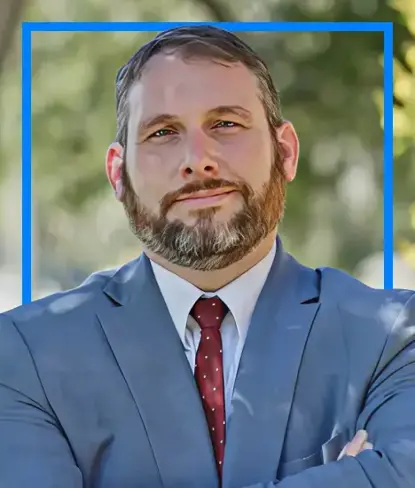
When you call, you speak directly with attorney Alex King, not a call center. We are available around the clock because juvenile cases do not wait for business hours. A quick conversation can help you understand whether your child will see a judge soon, what to expect at that first hearing, and how we can start protecting their rights.
Our Approach To Juvenile Defense
Every juvenile case involves both legal issues and a young person’s life story. Our approach is to address both. We begin by reviewing police reports, school records, and any available video or digital evidence. We look closely for weaknesses in how the investigation was conducted or how the evidence was collected.
At the same time, we spend time learning who your child is outside of this accusation. That can include family background, academic performance, activities, mental health treatment, or any prior involvement with the system. When we present the case to a judge or prosecutor, we want them to see a full person, not just an allegation on paper.
As a juvenile defense lawyer Clay County parents hire, our goal is to identify outcomes that protect your child’s future whenever the law and facts allow it. That might involve seeking diversion, working to reduce the severity of the charges, or crafting probation terms that are realistic and supportive. While we do not promise a specific result, we work to position your child for the best possible resolution.
We prepare each matter as if it could go to a contested hearing. That means we analyze the State’s case, plan cross examination, and consider potential defenses early. This trial ready mindset often improves our ability to negotiate because prosecutors understand that we are ready to challenge the evidence if necessary.
Throughout representation, communication is a priority. Families receive Mr. King’s cell phone number and can reach out with questions as the case progresses. We explain options in straightforward language and take the time to discuss how each choice might affect school, work, and long term plans. Many clients tell us this level of access provides real peace of mind in an otherwise stressful process.
Frequently Asked Questions
Will my child have a permanent record?
Some juvenile records can affect future opportunities, but the impact depends on the charge, outcome, and whether the record is later eligible for sealing or expungement. We explain how a proposed resolution might show up on applications and work to pursue options that limit long term consequences when possible.
Can the police question my child without me?
Police can attempt to question a minor even if a parent is not present, although your child still has constitutional rights. Both you and your child have the right to ask for a lawyer and to stop an interview. We encourage families to contact us before any questioning takes place.
How fast will my child see a judge?
If a juvenile is held in custody, the court generally schedules a detention hearing quickly, often within a short period of time. Exact timing depends on when the arrest occurs and court schedules. When you call us, we can explain what to expect and how we can prepare for that first appearance.
Will this affect school or college plans?
Juvenile charges can lead to school discipline and questions on college or scholarship applications. The impact depends on the nature of the offense and the final outcome. We discuss these issues with families so potential school or admissions concerns are considered when evaluating options in the case.
If I call, will I speak with the attorney?
Yes. Our boutique practice is built on direct access. Clients work with attorney Alex King personally, and he provides his cell number so you can reach him with questions. When your child faces a juvenile case, you will not be passed from person to person.
Take The Next Step To Protect Your Child
If your child is facing a juvenile accusation in this county, you do not have to navigate the process alone. A knowledgeable juvenile criminal attorney Clay County parents trust can step in quickly, explain your options, and start working to protect your child’s rights and future.
At First Coast Criminal Defense, we offer prompt, direct access to attorney Alex King, a former prosecutor who now focuses solely on criminal defense. Our firm is available 24 hours a day to answer your questions, review paperwork, and discuss how we can help. Your child’s case is personal to us, and we treat it with the seriousness it deserves.
Call (904) 474-3115 now to speak with our firm about your child’s situation.