What To Do After A Drug Arrest
The hours and days after a drug arrest are confusing and stressful. You may have been taken to the Duval County jail, released on bond, or given a notice to appear in the Duval County courthouse in downtown Jacksonville. What you do next can affect both your defense and your long-term future.
There is often a strong urge to explain yourself to officers, friends, or family. However, anything you say can end up in a police report or witness statement. Speaking casually about the incident on the phone or on social media can also create problems. It is usually safer to remain polite but firm about your decision not to discuss the facts without a lawyer present.
Right after a drug arrest, it can help to:
- Limit conversations about the facts and avoid posting about the incident online.
- Keep all paperwork you receive, including charging documents and bond information, in one place.
- Write down everything you remember about the stop, search, and arrest while details are still fresh.
- Note the names of any officers, witnesses, or passengers who were present.
- Contact a criminal defense attorney promptly so there is time to evaluate the legality of the stop and search before key court dates.
If you or a loved one is scheduled for a first appearance or arraignment in the Duval County courthouse, having a lawyer in place before that date can be important. The court may address bond conditions, release terms, and deadlines. We work to step in quickly so that your rights and options are protected as early as possible.
Even if charges have not been formally filed yet, you can reach out to us. In Florida, the State Attorney’s Office reviews many cases to decide what charges, if any, to pursue. Early involvement gives us more time to investigate, identify legal issues, and prepare for the decisions that prosecutors will soon make about your case.
Drug Possession Charges In Local Courts
Understanding what you are facing can make this process feel more manageable. In Florida, drug possession charges can range from misdemeanors to serious felonies, depending on the substance, the amount, and whether the state alleges that the drugs were for personal use or for sale. These cases are typically handled in the Duval County courthouse in Jacksonville when the arrest occurs within this county.
Many possession cases begin with a traffic stop, a street encounter, or a call to a residence. Officers might claim they smelled marijuana, saw something in plain view, or received information from a confidential source. From there, they may conduct a vehicle search, a pat-down, or execute a warrant. The legal standards that apply at each stage are critical. If the police overstepped, that can affect whether the evidence is admissible in court.
Some controlled substances, such as certain prescription medications without a valid prescription, can lead to misdemeanor charges when small amounts are involved. Other substances, including many narcotics and synthetic drugs, often result in felony charges, even when the quantity is modest. Penalties can include jail or prison, probation, fines, mandatory treatment, and other court conditions. The specific range of punishment often depends on the schedule of the drug and any prior record.
Beyond the immediate penalties, a conviction can follow you for years. A drug possession record can appear on background checks, affect certain professional licenses, and create problems with housing or school applications. For non-citizens, criminal accusations involving controlled substances can create separate immigration concerns. These collateral issues are part of what we discuss with clients when evaluating possible resolutions.
How We Defend Possession Cases
No two drug cases are the same. Our approach starts with a detailed review of how law enforcement made contact with you, how the search was conducted, and how the alleged substance was found and tested. We examine dash camera and body camera footage when available, compare reports against each other, and look for gaps or inconsistencies that could be important.
Search and seizure issues are central to many possession defenses. We evaluate whether officers had a lawful basis to stop your car, approach you, or enter your property. We also look at the scope of any consent that was given and whether a warrant, if one existed, was supported by probable cause. If your constitutional rights were violated, we can file motions asking the court to exclude certain evidence, which may affect the strength of the state’s case.
Possession itself is another key area. In some situations, drugs are found in a shared vehicle, a common area, or a home with multiple occupants. The state must typically prove more than just proximity. We explore whether the government can actually link the substance to you in a way that satisfies Florida law. Questions about who had control over the area and who knew about the item can open meaningful defenses.
We also scrutinize the nature of the evidence. Field tests are not always reliable, and lab procedures can raise questions. Chain of custody, contamination, and documentation all matter. By taking a careful look at how the substance was handled from seizure to analysis, we work to uncover issues that might not be apparent from a quick glance at the file.
Every case is prepared with trial in mind. That does not mean every case will go to trial, but it means we approach investigation, witness preparation, and legal research as if a judge or jury may eventually hear the evidence. This trial-ready mindset can improve our ability to negotiate and to advise you honestly about the risks and benefits of your options.
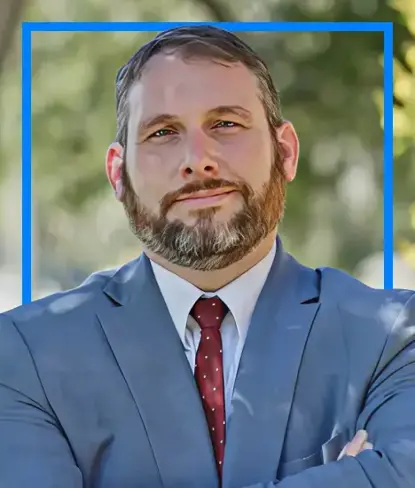
Alex King’s experience as a former prosecutor informs each step. Having previously evaluated whether to file charges and how to present evidence in court, he now uses that perspective to anticipate how the State Attorney’s Office may view your case. We then tailor a strategy to your goals, whether that means fighting the allegations in court or working toward a resolution that limits the long-term impact on your life.
Frequently Asked Questions
Will I go to jail for drug possession in Duval County
Jail is a possibility, but it is not automatic. The risk depends on the type of drug, the amount, your prior record, and the facts of the case. We review these factors with you and work to pursue outcomes that reduce or avoid incarceration when possible.
How can a former prosecutor help with my drug case
A former prosecutor understands how the State Attorney’s Office evaluates evidence and decides which charges to pursue. Alex King uses that insight to anticipate the state’s arguments, spot weaknesses in searches and proof, and negotiate or litigate from an informed position in Duval County courts.
Do I really need a lawyer before my first court date
Having a lawyer before your first court date is usually very helpful. Early representation allows time to investigate the stop and search, address bond or release conditions, and prepare you for what will happen in court. We are available 24 hours a day to step in as soon as you call.
Will a drug possession conviction stay on my record
A conviction can appear on background checks for many years and may be difficult to remove. The impact depends on the charge, your history, and whether any record-sealing options might apply. Our goal is to pursue strategies that protect your future and limit long-term consequences where possible.
How will communication work if I hire your firm
If you hire us, you work directly with attorney Alex King. Clients receive his cell phone number and can reach him with questions about their case. Our boutique approach and small caseload help us stay responsive, explain each step, and keep you informed from start to finish.
Talk With A Jacksonville Defense Lawyer
A drug possession charge can feel like it is taking over your life, but you do not have to face the criminal justice system alone. The choices you make now, including who you trust to guide you, can shape what happens next in court and beyond.
At First Coast Criminal Defense, we defend people accused of drug crimes in the Duval County courthouse in Jacksonville and across the First Coast. As a former prosecutor who now runs a boutique criminal defense firm, Alex King brings focused attention, trial-ready preparation, and direct communication to every case. Whether you are dealing with a first-time misdemeanor or a serious felony, we are ready to review your situation and explain your options.
Call (904) 474-3115 to speak with attorney Alex King about your drug possession case.