
Few things sour the mood of a holiday like being pulled over at a sobriety checkpoint. Whether you’re celebrating New Year’s Eve or simply out on a weekend night, knowing your rights and how to respond can make all the difference. Here’s a guide from the team at First Coast Criminal Defense to help you navigate a sobriety checkpoint stop in Jacksonville — with your legal rights intact.
Stay Calm, Comply — But Know Your Rights
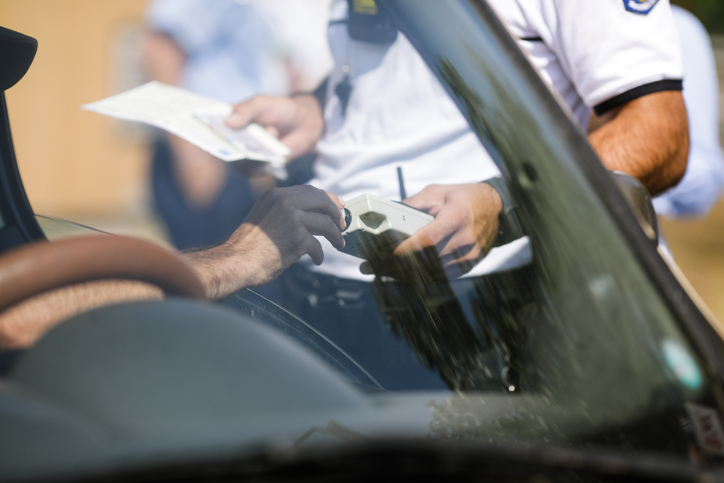
First things first: if you approach a checkpoint, obey the directions of law enforcement. That means stopping when instructed, and providing legitimate requests such as your driver’s license, vehicle registration, and proof of insurance.
Beyond that, you do not — and should not — feel pressured to answer incriminating questions. Under Florida law, you have the right to remain silent. You do not have to say how much you drank, where you were coming from, or where you’re headed.
If officers ask you to perform field sobriety tests (walking a straight line, standing on one leg, etc.), you may legally decline.
If You’re Asked to Test — Know What’s Mandatory vs. Voluntary
At a checkpoint, basic questions and observations are routine. Officers are looking for common signs of impairment: the smell of alcohol, slurred speech, bloodshot eyes, or the presence of open containers — all of which could trigger further investigation.
You may be asked to take a portable breath test or field sobriety test. While you can decline these, under Florida’s “implied consent law,” if you are formally arrested on suspicion of DUI or impairment, refusing a formal chemical test (breath, blood, or urine) can lead to automatic license suspension.
That said, until you’re under arrest, you retain the right to say nothing beyond giving your license and registration.
Be Respectful — But Don’t Volunteer Extra Information
It’s essential to cooperate without escalating the situation. Stay calm, keep your hands visible, and comply with lawful requests. Avoid arguing, sudden movements, or giving unnecessary information that could be used against you.
If an officer asks, “Where are you coming from?” or “How much did you drink?” it’s okay — and often wise — to say, “I’d prefer not to answer any questions without an attorney.”
If you feel you may face charges, politely ask whether you’re free to leave. If not, treat the situation as a detention: you have the right to remain silent and to request counsel as soon as it’s practical.
Avoid Erratic Behavior — Legal Workarounds May Be Risky
Some drivers consider making a U-turn or avoiding the checkpoint if they suspect sobriety enforcement. In Florida, it can be legal to reroute — but only if you obey all traffic laws while doing so. Making an illegal turn or violating traffic rules to avoid the checkpoint could lead to additional charges.
Once you’ve entered the checkpoint line, do not attempt to speed off, drive around barriers, or refuse to stop. Those actions often lead to serious consequences beyond a DUI, such as evading law enforcement.
Why the Holiday Season Matters — And What You Can Do
Holidays like New Year’s Eve often see an increase in sobriety checkpoints. That’s because law enforcement expects more alcohol-related driving incidents as people celebrate. Even if you’re not intoxicated, higher scrutiny may mean increased stops.
If you plan to drink on a holiday, the safest choice is to avoid driving entirely: use a rideshare, designate a sober driver, or stay put until you are sober. This avoids any risk of misunderstanding, suspicion, or mistakes at a checkpoint.
If Things Go Wrong — You Need an Experienced Defense
Checkpoint stops are fraught with potential pitfalls, including incorrect procedures, overreaching questions, or evidence gathered in violation of your rights. If you are arrested or charged after a checkpoint stop, the next steps can have a significant impact on your future. In such cases, it’s crucial to have knowledgeable legal representation to review the stop, challenge any violations, and defend your rights.
If you or someone you know was stopped at a sobriety checkpoint — especially during a holiday night in Jacksonville — don’t wait. Take action now to protect your rights.
Jacksonville DUI Lawyer
If you are arrested or charged after a DUI or checkpoint stop, please reach out immediately to First Coast Criminal Defense. We provide skilled and experienced representation in Jacksonville and its surrounding areas. Call us 24/7 at (904) 474-3115 for a free consultation — because in a DUI or checkpoint case, what you do after the stop can make all the difference.